
Emaar Handover Inspection: What to Expect and What We Typically Find
Emaar Properties is one of Dubai’s most respected and well-known developers. They are behind some of the city’s most iconic communities including Downtown Dubai, Dubai Hills Estate, Dubai Creek Harbour, and Arabian Ranches. Their reputation for quality is well established.
That said, no developer delivers defect-free properties. Construction at scale involves thousands of contractors, subcontractors, and tradespeople working under tight deadlines. Quality varies from unit to unit, building to building, and project to project. This is true for every developer in Dubai, including Emaar.
A professional Emaar handover inspection ensures that every defect in your unit is identified, documented, and submitted to the developer for rectification before you sign. This guide covers how the Emaar handover process works, what defects we typically find, and how to make sure your handover goes smoothly.
How the Emaar Handover Inspection Process Works
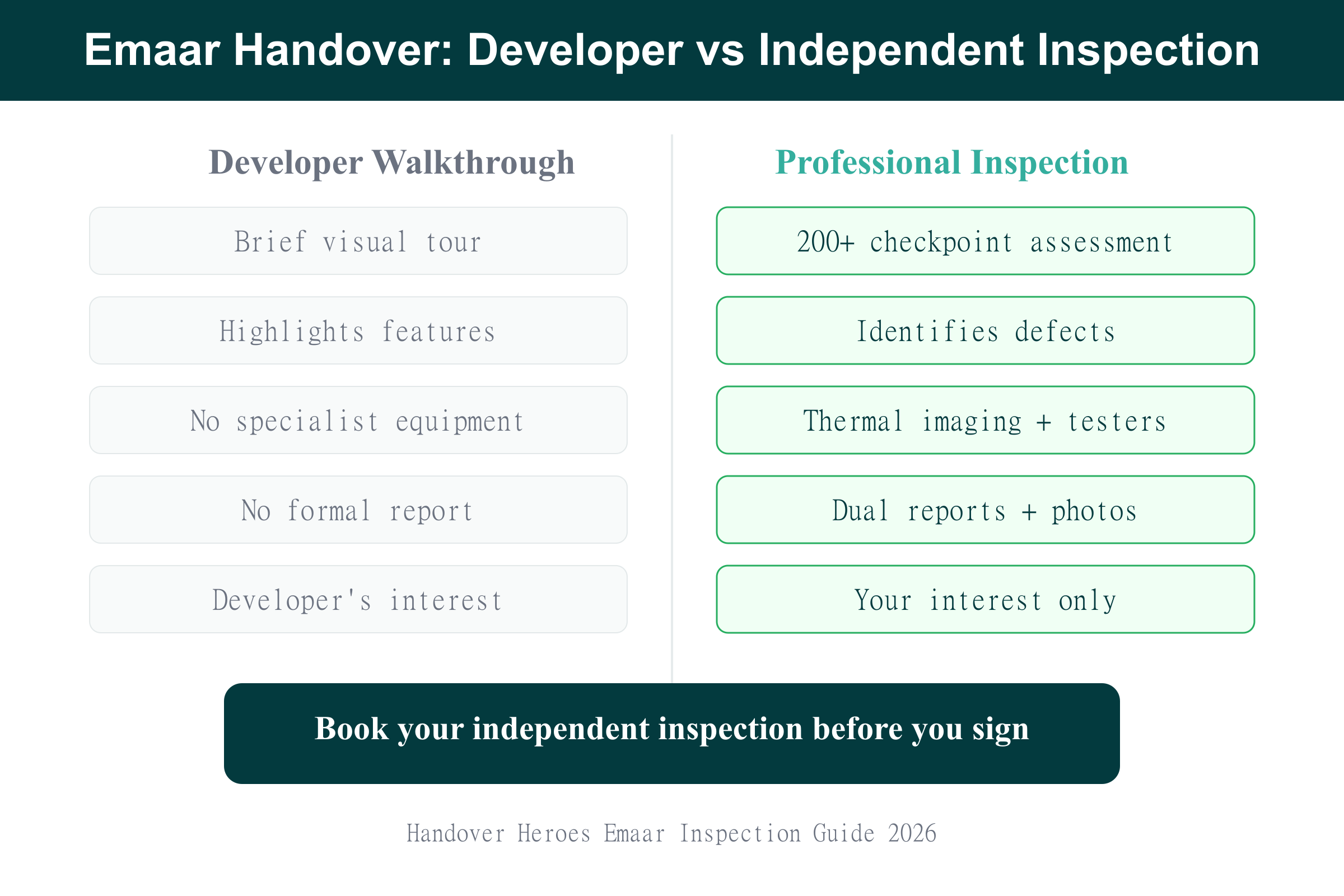
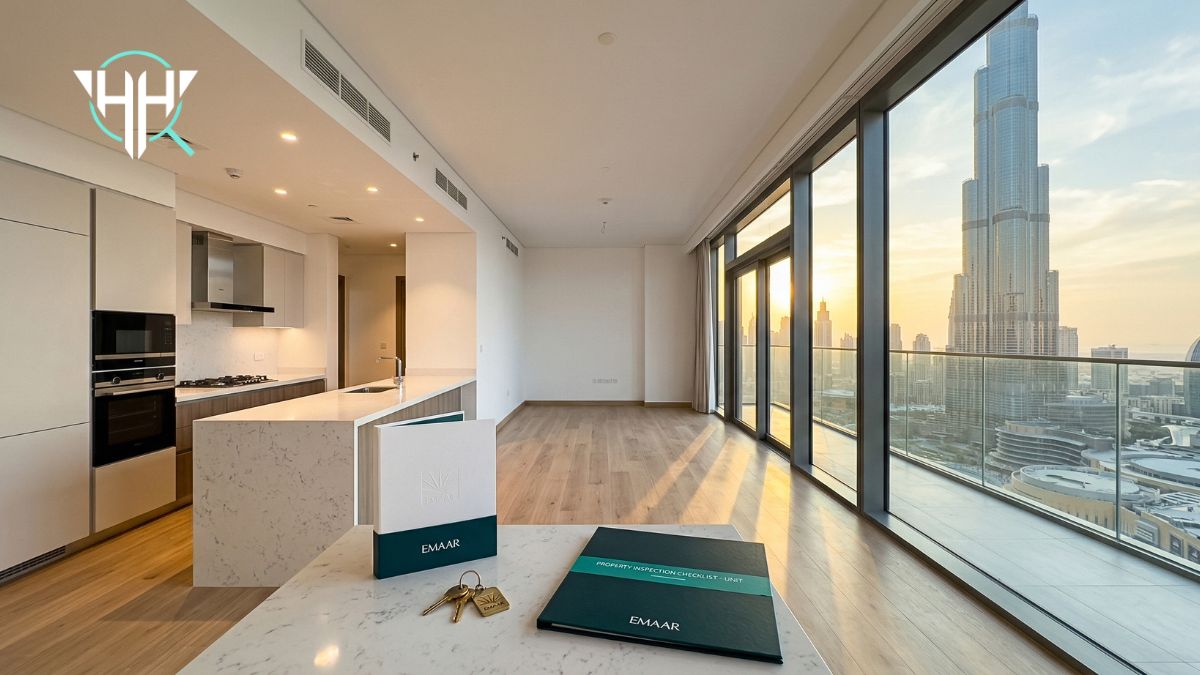
When your Emaar property is ready for handover, you will receive a completion notice inviting you to schedule a handover appointment. At the appointment, an Emaar representative will walk you through the unit, point out key features, and ask you to sign the handover form confirming you have accepted the property.
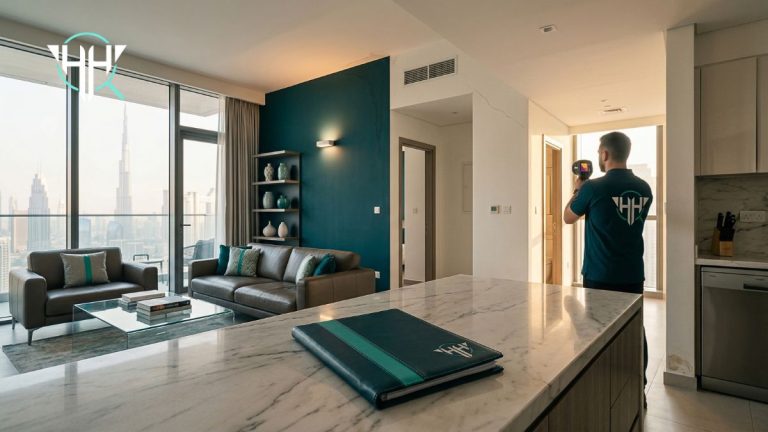
This developer walkthrough is typically brief. The representative will highlight the positive aspects of the unit and may point out a few minor items they are aware of. What they will not do is systematically test every socket, tap every tile, measure every AC vent, or scan the walls with a thermal camera. That is not their role.
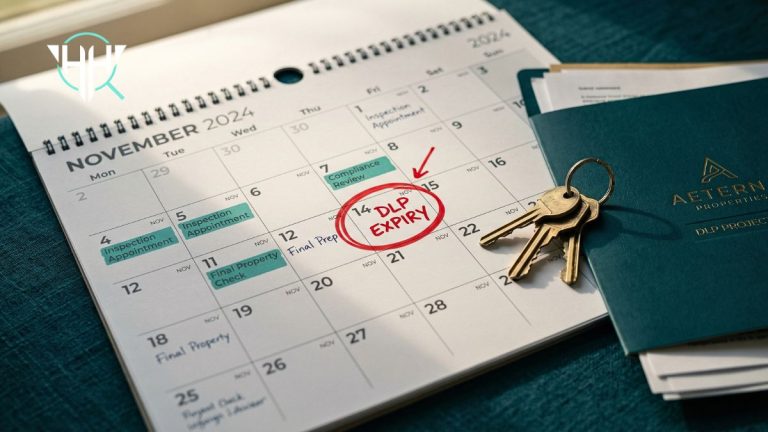
Once you sign the handover form, you have accepted the property in its current condition. You can still report defects during the Defect Liability Period (1 year for MEP and finishing, 10 years for structural), but your negotiating position is strongest before you sign.
This is why booking an independent Emaar handover inspection before the developer walkthrough is the smartest step you can take. You arrive at the handover appointment with a complete defect report in hand, and you can address every issue before putting your signature on anything.
Common Defects Found in Emaar Properties
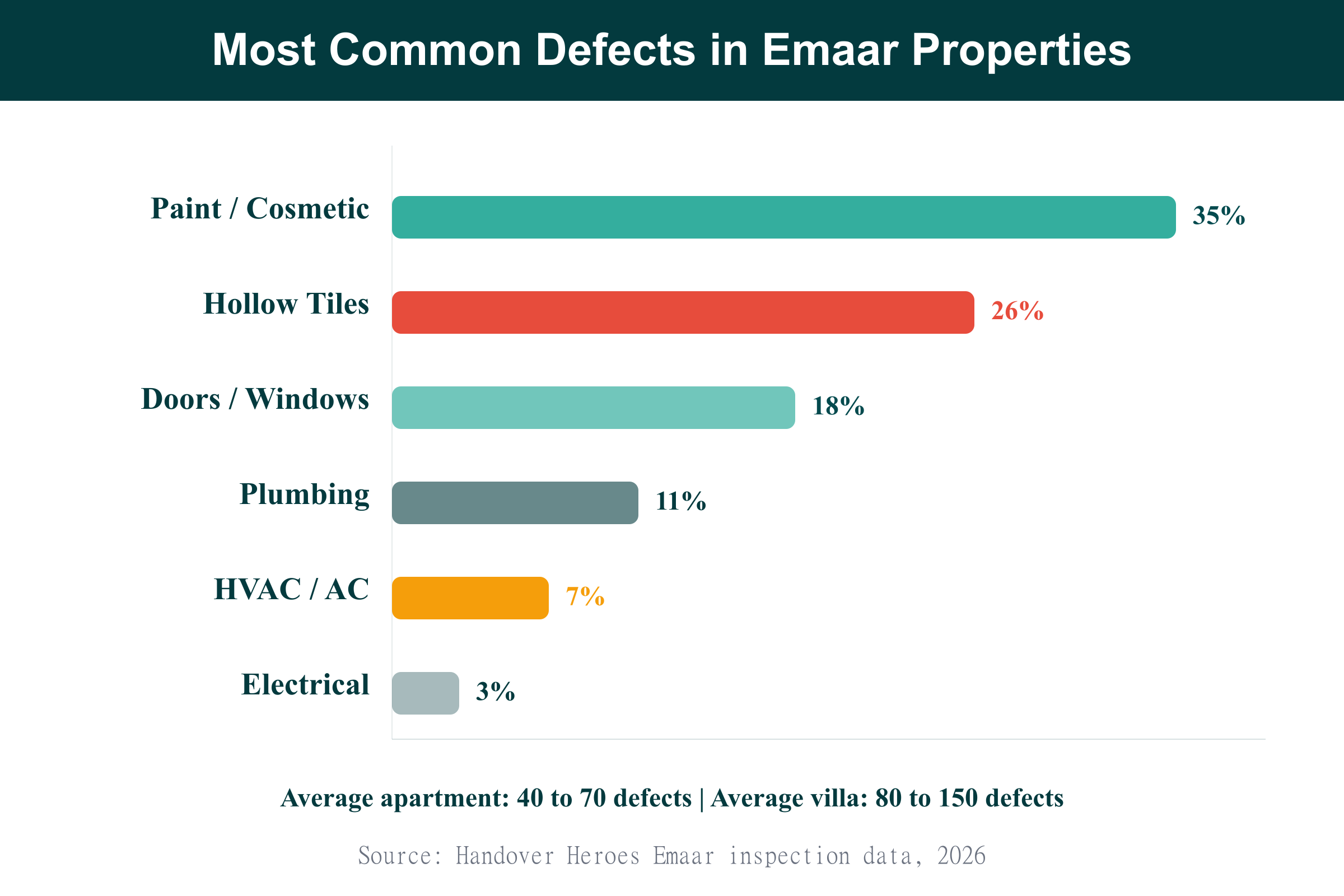
The following defects are not unique to Emaar. They are common across the entire Dubai construction industry. We include them here because buyers taking handover from Emaar specifically want to know what to look for in their unit.
Finishing and Cosmetic Issues
Paint inconsistencies are the most frequently found defect category across all Emaar communities. This includes uneven coats, colour variations between walls in the same room, paint runs, roller marks, and missed spots that are visible under angled light. Skirting board gaps (where the skirting does not sit flush to the wall or floor), rough plaster patches, and ceiling finish imperfections are also common.
These defects are cosmetic and not structurally significant, but they affect the lived experience and resale value of the property. They are also the easiest for the developer to fix when reported early.
Tiling and Grouting
Hollow tiles are found in a significant percentage of Emaar units, particularly in bathrooms and kitchens where tiling covers large floor and wall areas. Lippage (where adjacent tiles sit at slightly different heights) and grout defects (gaps, inconsistent colour, cracking) are also common.
Hollow tiles are a construction defect, not a cosmetic preference. They result from insufficient adhesive coverage during installation and will crack over time under load. They must be reported and fixed during the DLP. For more on this, see our guide to common defects in Dubai properties.
Plumbing and Wet Areas
Minor plumbing defects are typical in Emaar handovers. These include slow-draining sinks or showers, dripping connections under kitchen sinks, water heaters that have not been fully commissioned, and occasional water pressure inconsistencies between taps.
In most cases these are straightforward fixes for the developer, but they need to be documented in a formal inspection report to trigger the repair process.
AC and HVAC
Thermostat calibration issues are common, where the set temperature does not match the actual room temperature. Uneven cooling (one room significantly warmer than another) and duct noise (humming or rattling from ceiling vents) are also seen regularly. In some units, condensate drains have not been properly tested, leading to water dripping from indoor AC units after a few days of operation.
Given that AC runs for the majority of the year in Dubai, even small HVAC defects translate into daily discomfort and wasted energy. These defects are fully covered under the 1-year MEP warranty.
Doors, Windows, and Joinery
Door alignment issues (doors that stick, drag, or do not close flush), soft-close mechanisms that are not properly adjusted, window seal gaps, and minor joinery defects in built-in wardrobes are all found regularly during Emaar handover inspections. Sliding balcony doors that do not glide smoothly or lock securely are another common item.
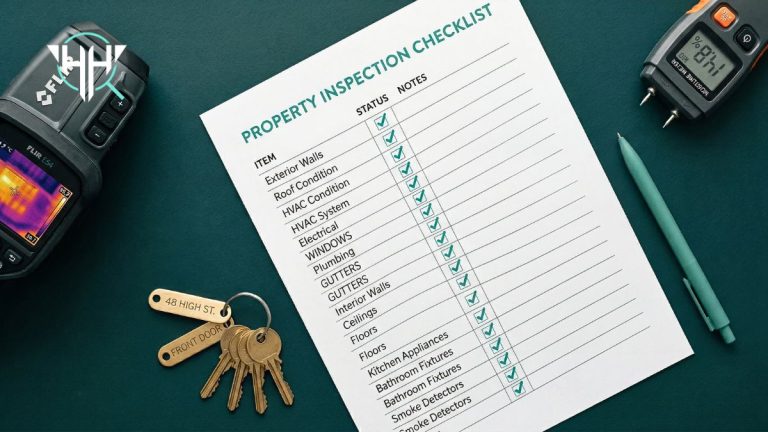
For a complete breakdown of every inspection point, see our full snagging checklist.
Emaar Communities Where We Inspect Most Frequently
Dubai Hills Estate
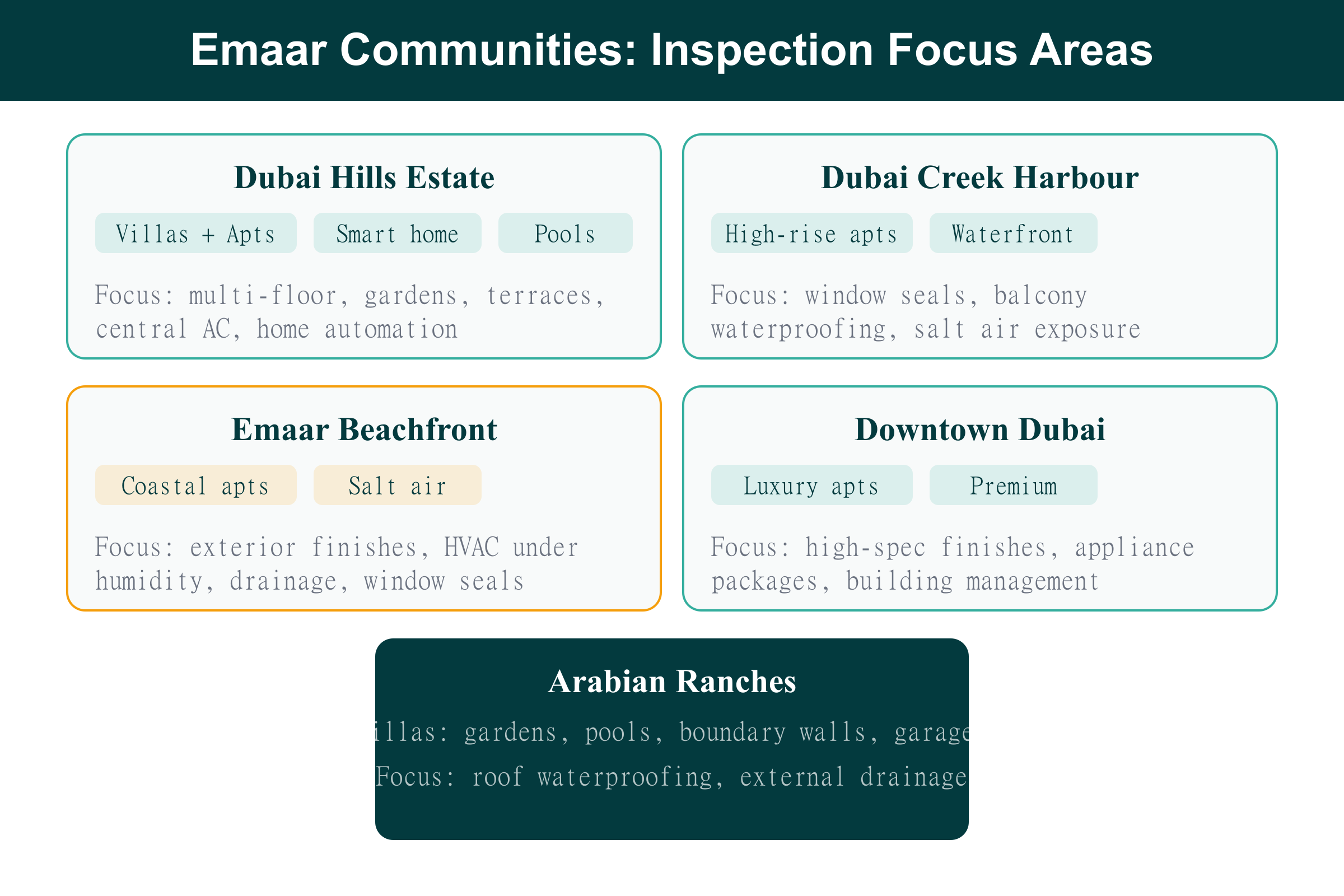
Dubai Hills Estate is one of Emaar’s largest master communities and one of the highest-volume handover locations in Dubai. It includes apartments, townhouses, and villas. Villa inspections here are particularly detailed because of the additional complexity: multiple floors, gardens, pools, rooftop terraces, and central AC systems. Smart home integration in newer phases adds another layer of inspection requirements.
Dubai Creek Harbour
Dubai Creek Harbour is Emaar’s waterfront mega-development and a rapidly growing handover zone. Properties here are primarily high-rise apartments with views of the creek and the Dubai skyline. The coastal location means window seal integrity and balcony waterproofing are especially important inspection points due to wind pressure and salt air exposure.
Emaar Beachfront
Emaar Beachfront properties sit directly on the coast between Dubai Marina and Palm Jumeirah. The salt-air environment makes exterior finishes, window seals, and balcony drainage critical inspection areas. AC systems in beachfront properties also tend to work harder due to humidity, making HVAC commissioning verification essential.
Downtown Dubai
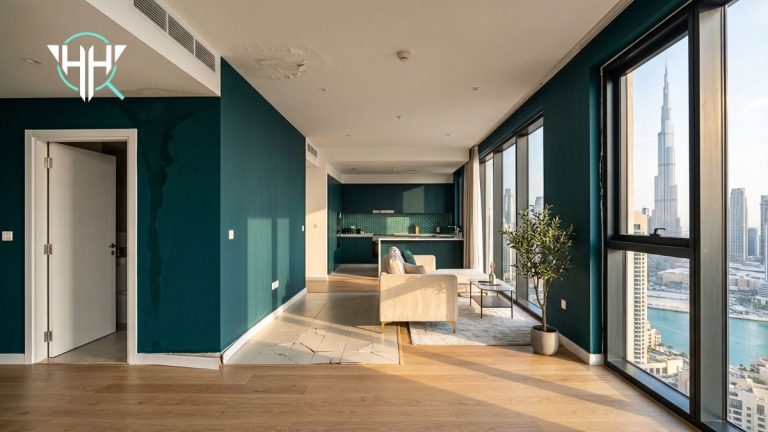
Downtown Dubai is Emaar’s flagship community, home to the Burj Khalifa and Dubai Mall. Properties here are predominantly luxury apartments in established towers. Inspections in Downtown often involve high-specification finishes, premium appliance packages, and complex building management systems that require detailed verification.
Arabian Ranches
Arabian Ranches is Emaar’s established villa community. Villa handover inspections here cover extensive outdoor areas including gardens, boundary walls, garages, and in some phases, private pools. Roof waterproofing and external drainage are key focus areas given the larger footprint of these properties.
What Your Emaar Handover Inspection Report Includes
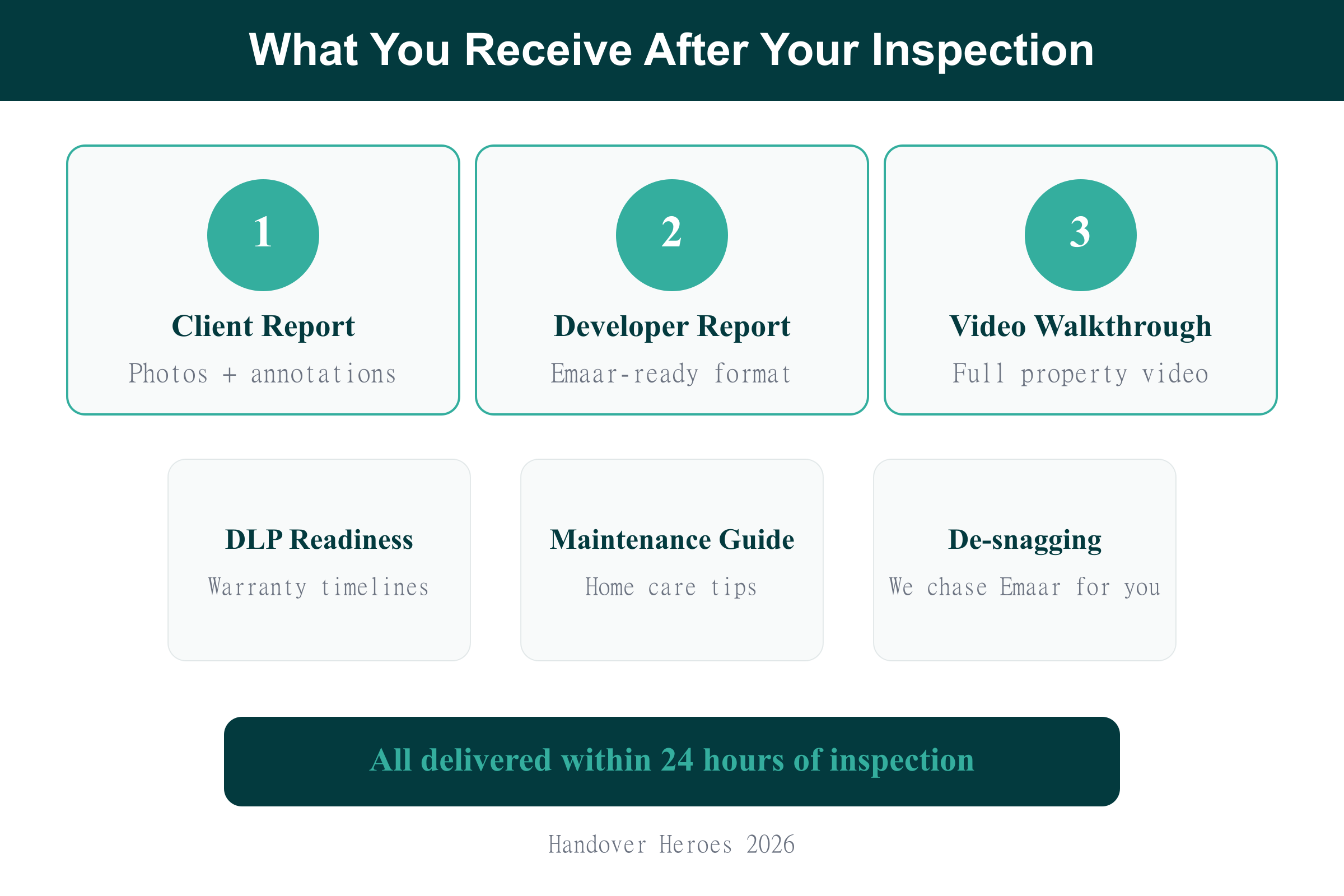
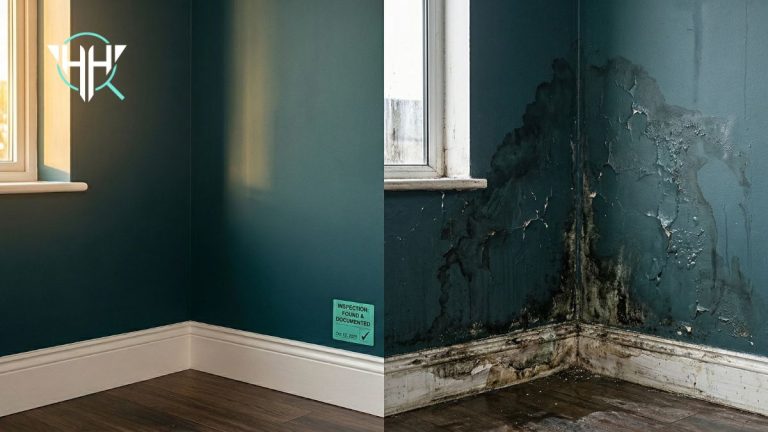
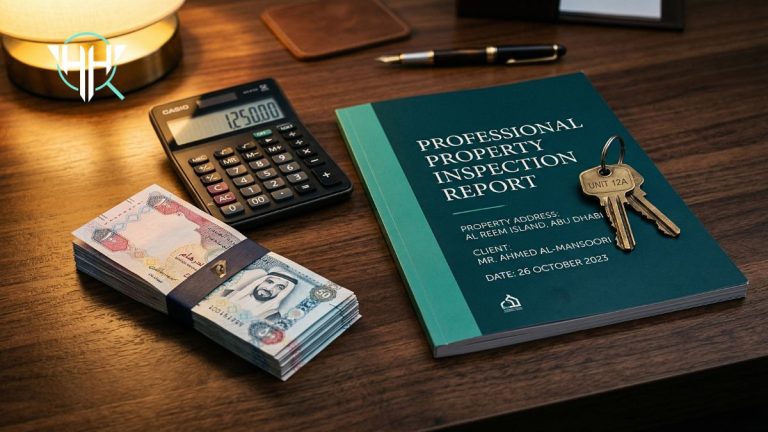
Every Emaar handover inspection by Handover Heroes includes a full 200+ checkpoint assessment covering structural, electrical, plumbing, HVAC, and cosmetic categories. Photographic evidence is captured for every identified defect with clear annotations explaining the issue and its location.
You receive two reports: a detailed client report for your records, and a developer-formatted defect report structured specifically for submission to Emaar. This developer report follows a format that Emaar’s after-sales and maintenance teams can process efficiently, reducing back-and-forth and speeding up the rectification timeline.
You also receive a free walkthrough video of the property, a DLP readiness document explaining your warranty timelines, a home maintenance guide, and complimentary de-snagging support where we follow up with Emaar on your behalf until every reported defect is resolved.
For a breakdown of inspection pricing, see our guide to property snagging cost in Dubai.
Tips for a Smooth Emaar Handover
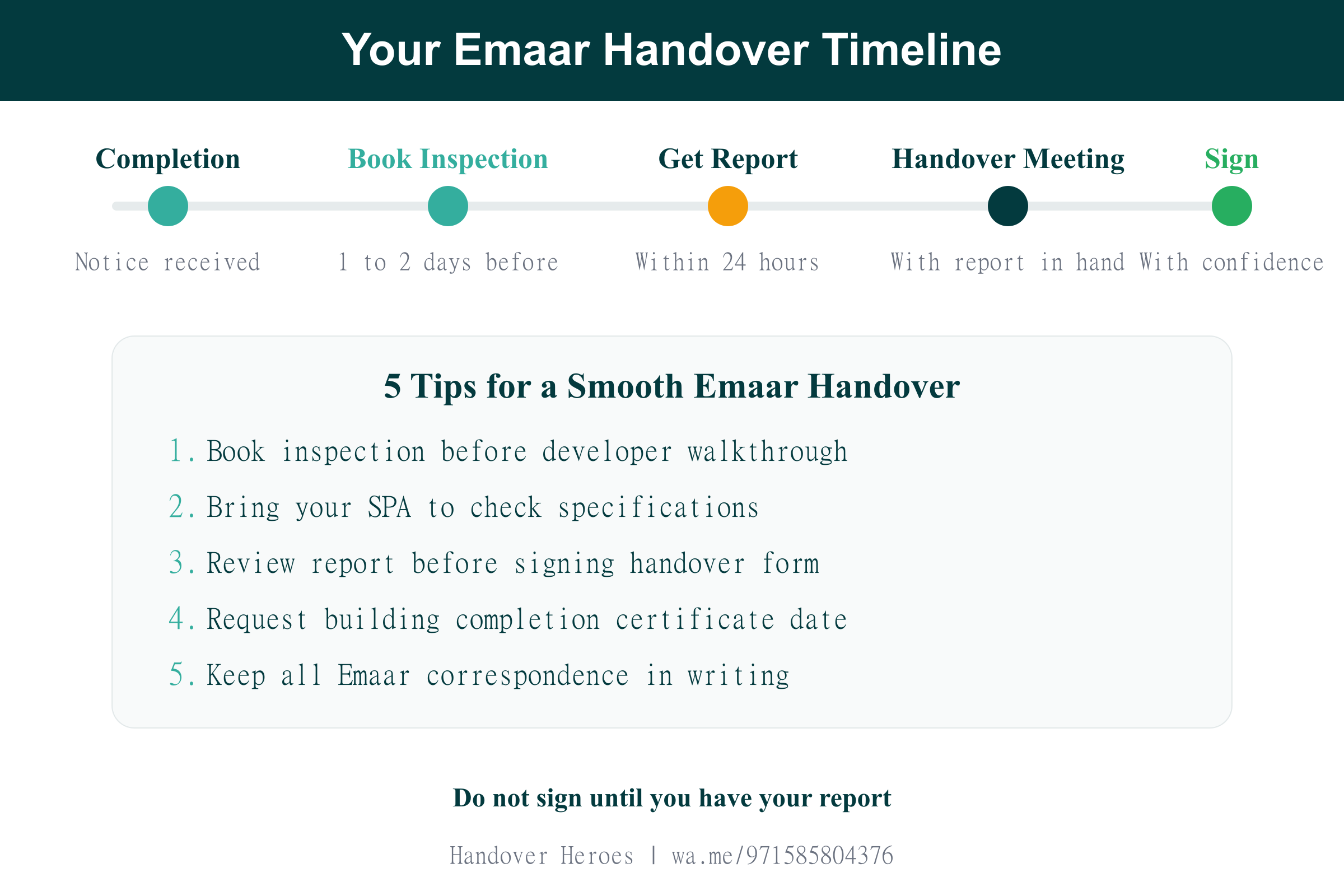
Book your inspection before the developer walkthrough. If your schedule allows it, have the inspection completed 1 to 2 days before your Emaar handover appointment. You will walk into the handover meeting with a complete defect report, giving you confidence and leverage.
Bring your Sales and Purchase Agreement (SPA). Your SPA contains the specifications Emaar committed to deliver. If the unit does not match those specifications, you have a contractual basis for requiring rectification.
Do not sign the handover form until you have reviewed your inspection report. Once you sign, you have formally accepted the property. Review the report first, raise any critical issues with the Emaar representative, and sign only when you are satisfied that all major items are documented.
Request the building completion certificate date. This confirms when your Defect Liability Period officially started. It is often earlier than your key collection date, which means your DLP window is already shorter than you think.
Keep all correspondence with Emaar in writing. Email is the best channel. Every defect report submission, every follow-up, and every response from Emaar should be documented in writing. This creates a paper trail that protects you if escalation becomes necessary.
Frequently Asked Questions About Emaar Handover Inspections
Does Emaar fix defects found during snagging?
Yes. Emaar is obligated to fix construction defects reported during the Defect Liability Period. A professional inspection report with photographic evidence and clear defect descriptions significantly improves the speed and completeness of the rectification process compared to informal verbal complaints.
How long does Emaar take to fix reported snags?
Timelines vary by community and the nature of the defects. Minor cosmetic fixes (paint touch-ups, skirting adjustments) are typically completed within 2 to 4 weeks. More complex repairs (plumbing, HVAC, tiling replacement) can take 4 to 8 weeks. Having a formal inspection report accelerates the process because Emaar’s maintenance team has clear documentation to work from.
Can I inspect my Emaar property before the official handover date?
In most cases, access to the unit before the handover appointment is not permitted. However, some buyers have successfully arranged early access through their Emaar sales contact. If early access is not possible, you can arrange for the inspection to take place on the same day as the handover appointment, before you sign the handover form.
What if Emaar refuses to fix a defect?
If Emaar declines to address a defect you believe is a construction issue, you have the right to escalate. The process is: formal written follow-up to Emaar’s after-sales team, then a RERA complaint via the Dubai REST app, then the Dubai Land Department dispute resolution centre, and if necessary, the Dubai courts. Your inspection report serves as primary evidence at every stage.
Taking Handover from Emaar? Book Your Inspection Before You Sign
An Emaar handover inspection gives you complete visibility into the condition of your property before you accept it. Every defect documented. Every system tested. Every issue photographed and ready for submission.
Book your Emaar handover inspection on WhatsApp or visit our pre-handover inspection page for full details.