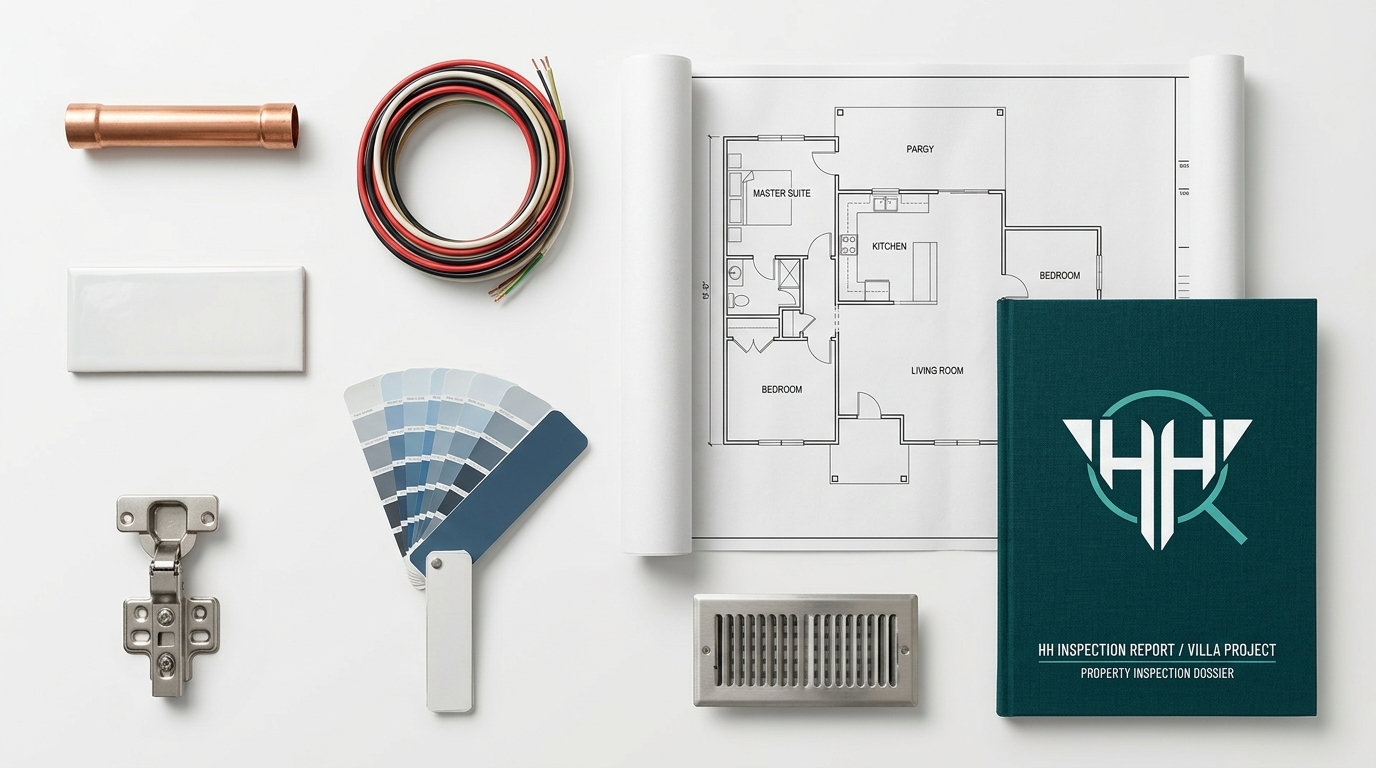
What Does a Snagging Inspection Cover? The 13 Systems Explained
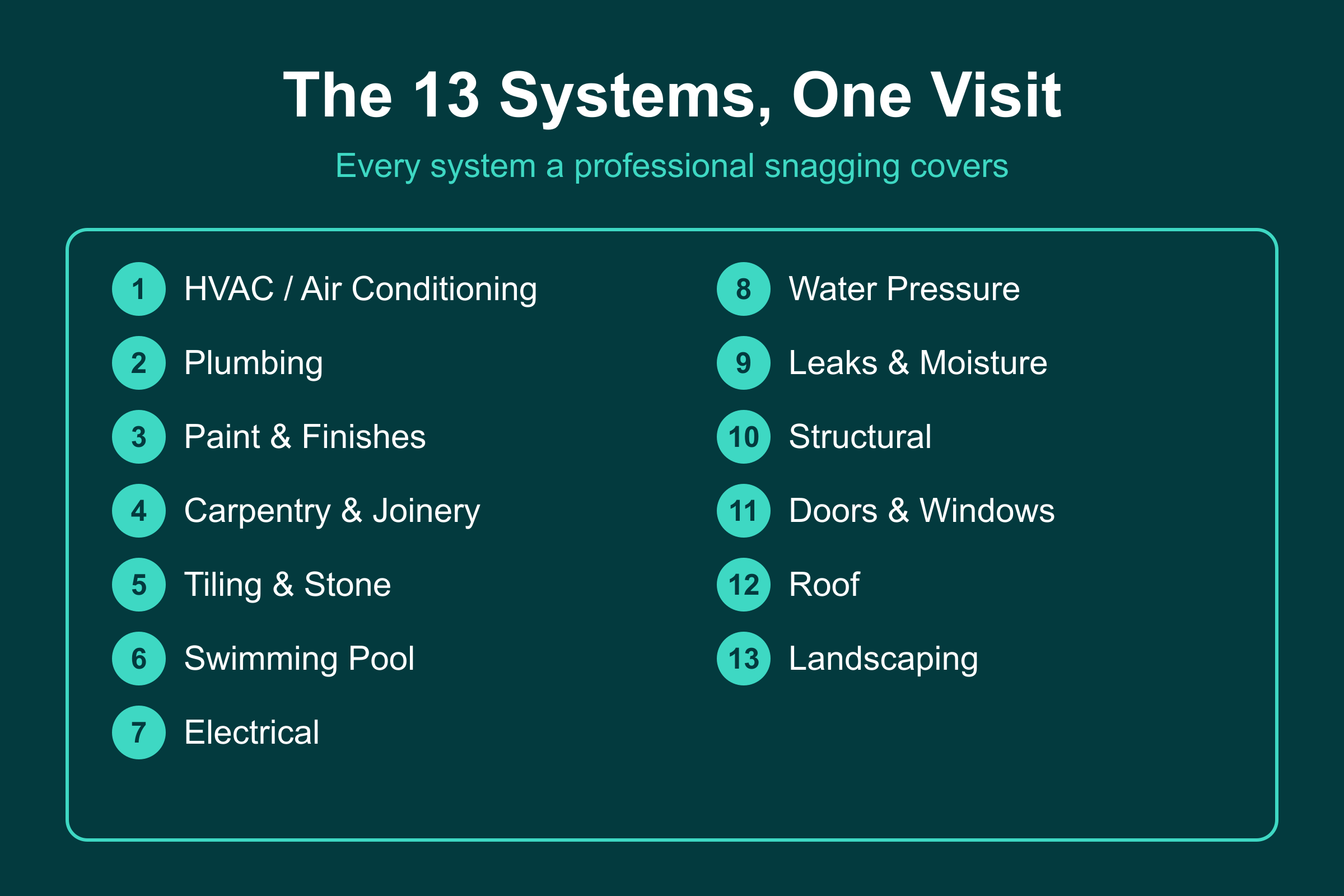
When people ask what a snagging inspection covers, they often imagine someone checking for scratches and chipped paint. A professional snagging is far more comprehensive than that. A villa is not one thing. It is 13 interconnected systems, and every one of them can hide defects that cost thousands to fix after you have signed.
This guide breaks down exactly what a professional UAE snagging covers, system by system, so you know precisely what you are paying for and why it matters. For broader handover guidance, the UAE Government housing information portal is a useful reference.
The Scope of a Professional Snagging
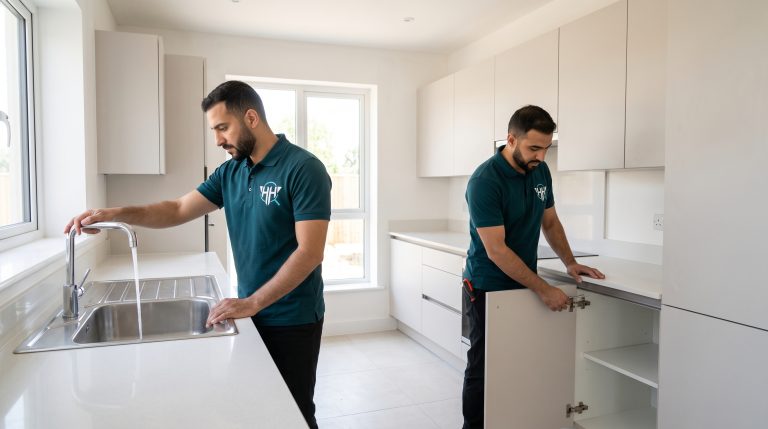
A professional snagging is a thorough visual and functional assessment of the property carried out by certified inspectors. It covers all major building systems and finishes, with findings documented in a detailed written report accompanied by photographic and video evidence.
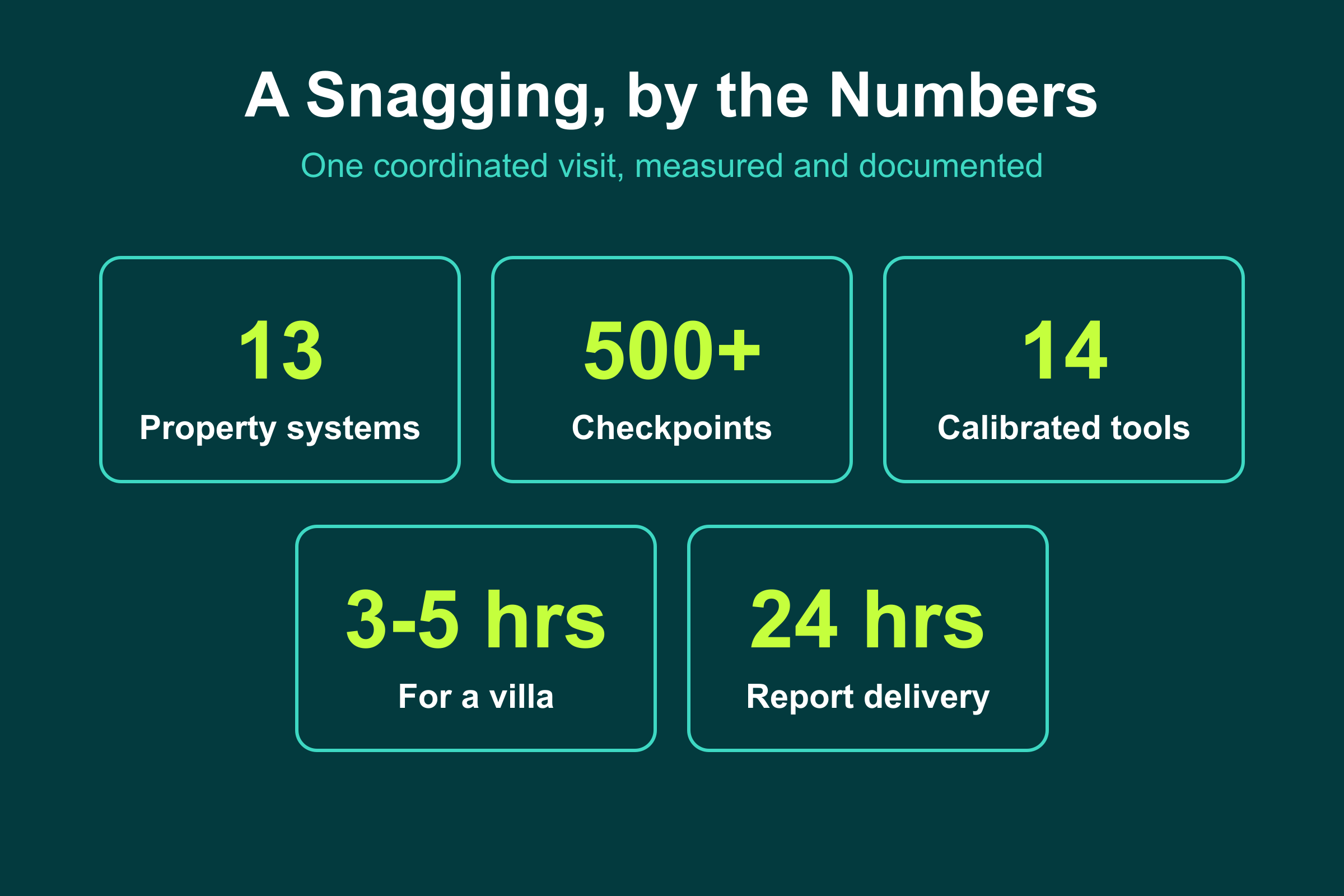
Across a single visit, the inspection spans 500+ checkpoints using 14 calibrated snagging tools, taking 3 to 5 hours for a villa. Here is what those checkpoints actually cover.
The 13 Systems a Snagging Covers
1. HVAC (Heating, Ventilation and Air Conditioning)
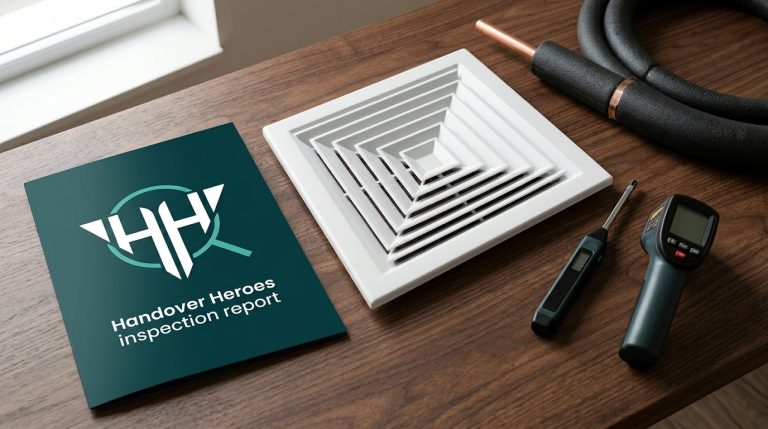
The snagging inspects all fan coil units for cooling output and airflow adequacy, checks pipework for leaks and condensation, and assesses insulation on refrigerant lines and ductwork for gaps or deterioration. It also covers supply and return air grilles, thermostat responsiveness, condensate drain lines and drip trays, outdoor condenser units, and equipment rooms.
2. Plumbing
Plumbing covers water heaters, toilets and bidets, water storage tanks, and all sanitary fixtures including basins, sinks, bathtubs, and shower trays. The inspection checks exposed pipework for routing and corrosion, silicone sealants for completeness and mould, waste and drainage connections for correct falls, isolation valves, and utility areas like washing machine points.
3. Paint and Surface Finishes
A systematic walk-through inspects all interior walls and ceilings for paint defects including runs, drips, uneven coverage, and patchy finishes. It checks corners and edges for clean cutting, assesses surfaces for bubbling or peeling especially in wet zones, and reviews external facade paintwork, feature walls, skirting boards, and architraves.
4. Carpentry and Joinery
This covers all fitted wardrobes, built-in cabinetry, and storage units for scratches, chips, and surface damage. It checks door and drawer alignment, hinge and runner hardware, shelving stability, kitchen cabinetry, worktops, soft-close mechanisms, handles, and decorative joinery, along with any missing components like end panels or plinths.
5. Tiling and Stone Finishes
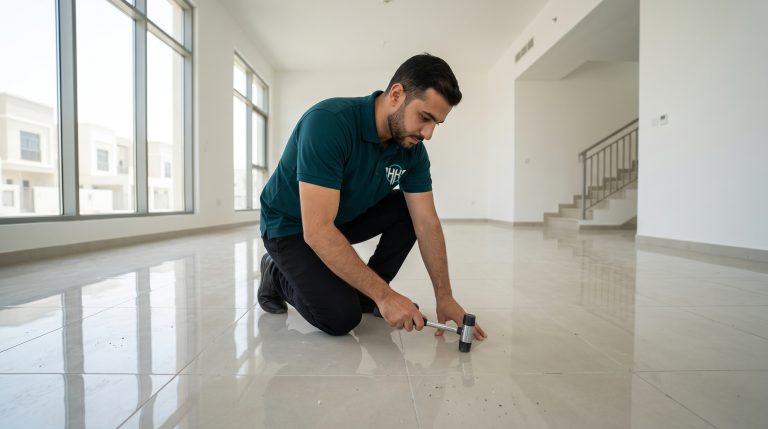
Every floor and wall tile is systematically tapped to identify hollow or debonded areas. The inspection checks for cracks, chips, and surface damage, assesses grouting consistency, checks floor tiles for level and correct slope in wet areas, reviews wall tile alignment, and inspects silicone expansion joints and natural stone sealing.
6. Swimming Pool Systems
If the property has a pool, the snagging inspects the pool shell and finish for cracks and delamination, coping and waterline tiles, filtration equipment and pipework, pool lighting, skimmer boxes and drains, electrical connections and bonding, safety provisions like fencing and self-closing gates, and any pool heating equipment.
7. Electrical Systems
The inspection covers the main distribution board and sub-boards for labelling and condition, all circuit breakers and RCDs, power sockets and USB outlets, light switches and fixtures, external and landscape lighting, cable containment, earthing and grounding, data and telecommunications outlets, and any home automation panels or backup power provisions.
8. Water Pressure Assessment
Water flow and pressure is assessed at all outlet points including showers, basins, sinks, and external taps. The inspection identifies areas with reduced flow that may indicate supply restrictions or installation issues, and checks booster pump installations where present.
9. Leaks, Dampness and Moisture Detection
A moisture survey covers internal walls, ceilings, and floors to detect concealed moisture, dampness, or active water ingress. It targets high-risk areas like bathrooms, kitchens, external wall junctions, and below windows, checks around plumbing penetrations and service risers, and identifies any visible mould, staining, or discolouration.
10. Structural Observation
The inspection visually checks all structural walls, columns, and beams for cracking, settlement, or movement. It assesses floor levels for depressions or unevenness, inspects staircases for stability and consistent dimensions, reviews concrete and masonry for defects, and checks expansion joints, retaining walls, and boundary structures.
11. Doors and Windows
Every entry, internal, and service door is inspected for operation, alignment, and smooth opening. The snagging checks locking mechanisms and security hardware, door frames for plumb installation, leaf surfaces for damage, and all hinges. Windows are checked for operation, seal integrity, glazing condition, and fogging between double-glazed units, along with sliding door tracks, weather seals, and fly screens.
12. Roof
The roof inspection covers waterproofing membrane condition, drainage outlets and overflow provisions, parapet walls and flashings, roof penetrations and their waterproofing collars, slope grading to confirm water drains away from the structure, solar panel installations, roof-mounted equipment, balustrades and safety provisions, and architectural finishes like copings and fascias.
13. Landscaping Systems
For villas, the snagging extends to irrigation pipework and controllers, external drainage channels and gully grates, boundary and garden walls, hardscape areas like paving and driveways, pergola and shade structures, external staircases, outdoor lighting, gate motor mechanisms, water features, and soft landscaping completion.
Why All 13 Systems Matter
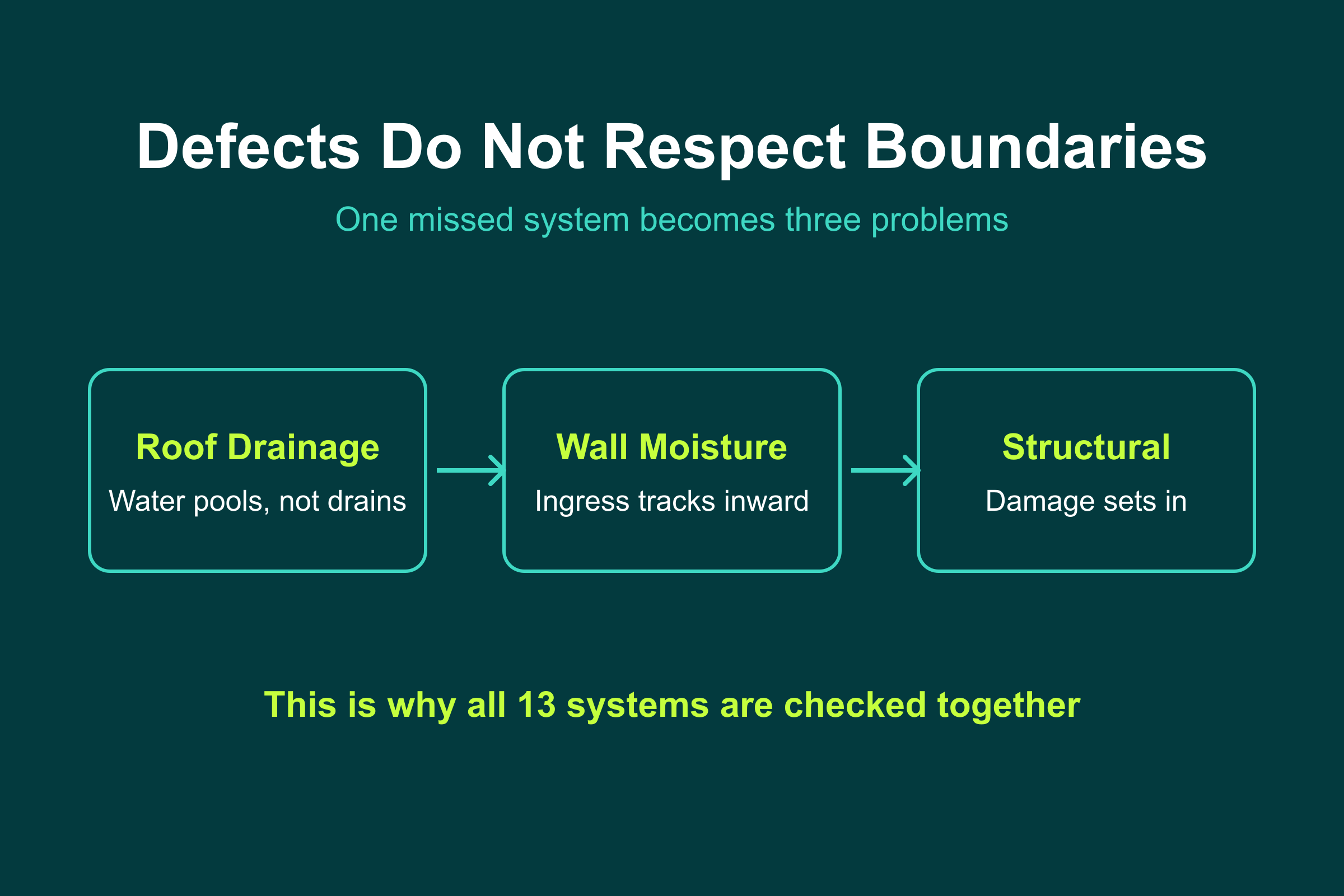
Defects do not respect boundaries. A roof drainage problem becomes a wall moisture problem becomes a structural problem if left unchecked. A snagging that covers only the obvious interior surfaces misses the systems where the most expensive defects hide: the roof, the landscaping drainage, the pool plant, and the concealed plumbing and electrical networks.
This is why a professional snagging covers every system in one coordinated visit, and documents the findings as a clear record of the property’s condition at the time of inspection, the record the Real Estate Regulatory Agency (RERA) framework relies on to hold a developer accountable.
Frequently Asked Questions
Does a snagging cover the outside of the property too?
Yes. For villas and townhouses, the snagging covers the roof, external walls, boundary walls, landscaping, irrigation, drainage, hardscaping, and pool systems, not just the interior. The exterior is where some of the most costly defects hide, particularly around waterproofing and drainage.
How is a snagging different from a valuation survey?
A valuation assesses what a property is worth. A snagging assesses its physical condition, identifying defects and items requiring attention across all 13 building systems. The two serve completely different purposes, and a valuation does not tell you whether the property has hidden faults.
Does every property need all 13 systems checked?
Apartments do not have pools, roofs, or landscaping systems, so their snagging focuses on the systems that apply. Villas and townhouses receive the full scope. The inspection is matched to what the property actually has.
What happens after the inspection?
You receive a detailed report within 24 hours that notes observed conditions, identifies defects or items requiring attention, and provides a clear record of the property’s condition, backed by photographic and video evidence. For new builds, this report is what holds the developer accountable for fixes under the Dubai Land Department handover framework.
Book Your Snagging
Get all 13 systems inspected across 500+ checkpoints with 14 calibrated tools. Apartments from AED 500. Villas and townhouses from AED 1,400. Detailed report within 24 hours.
Book your snagging on WhatsApp, estimate the price with our snagging cost calculator, or visit our pre-handover snagging service for details.
Handover Heroes is the UAE’s trusted property inspection service. We cover every system, so nothing hidden becomes your problem after you sign.