Thermal Imaging in Property Snagging: What It Reveals
Some of the most expensive property defects are completely invisible, which is exactly why thermal imaging matters. A leak building behind a wall, an overheating connection in the electrical board, or a gap in the insulation around a window does not show up in a viewing. By the time it becomes visible, the damage is already done.
This is where the thermal camera changes everything. It is one of the most powerful instruments in a professional snagging kit, because it sees what the human eye cannot. This guide explains how thermal imaging works in a UAE property inspection and what it reveals. For broader buyer guidance, the UAE Government housing information portal is a useful reference.
How Thermal Imaging Works
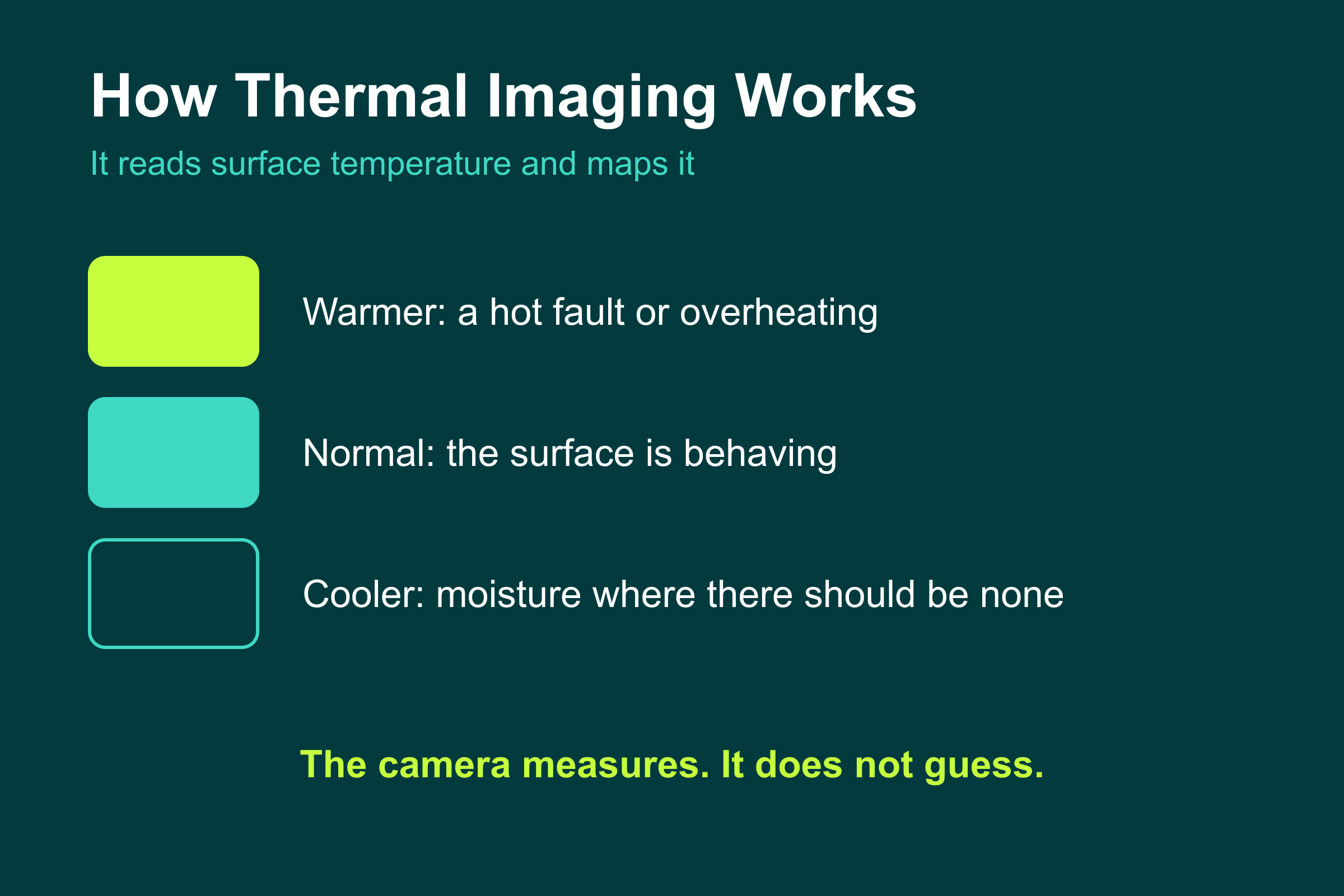
A thermal imaging camera reads surface temperature differences and displays them as a heat map. Where the eye sees a flat, uniform wall, the thermal camera sees variations in temperature that reveal what is happening behind the surface.
Moisture, for example, changes the temperature of the material around it. A cooler patch on an otherwise warm wall can indicate water where there should be none. An overheating electrical connection shows as a hot spot long before it becomes a visible or smelling problem. A gap in insulation appears as a temperature difference around a door or window frame.
The camera does not guess. It measures, and it shows the result clearly.
What Thermal Imaging Reveals in a UAE Property
Hidden Leaks and Water Ingress
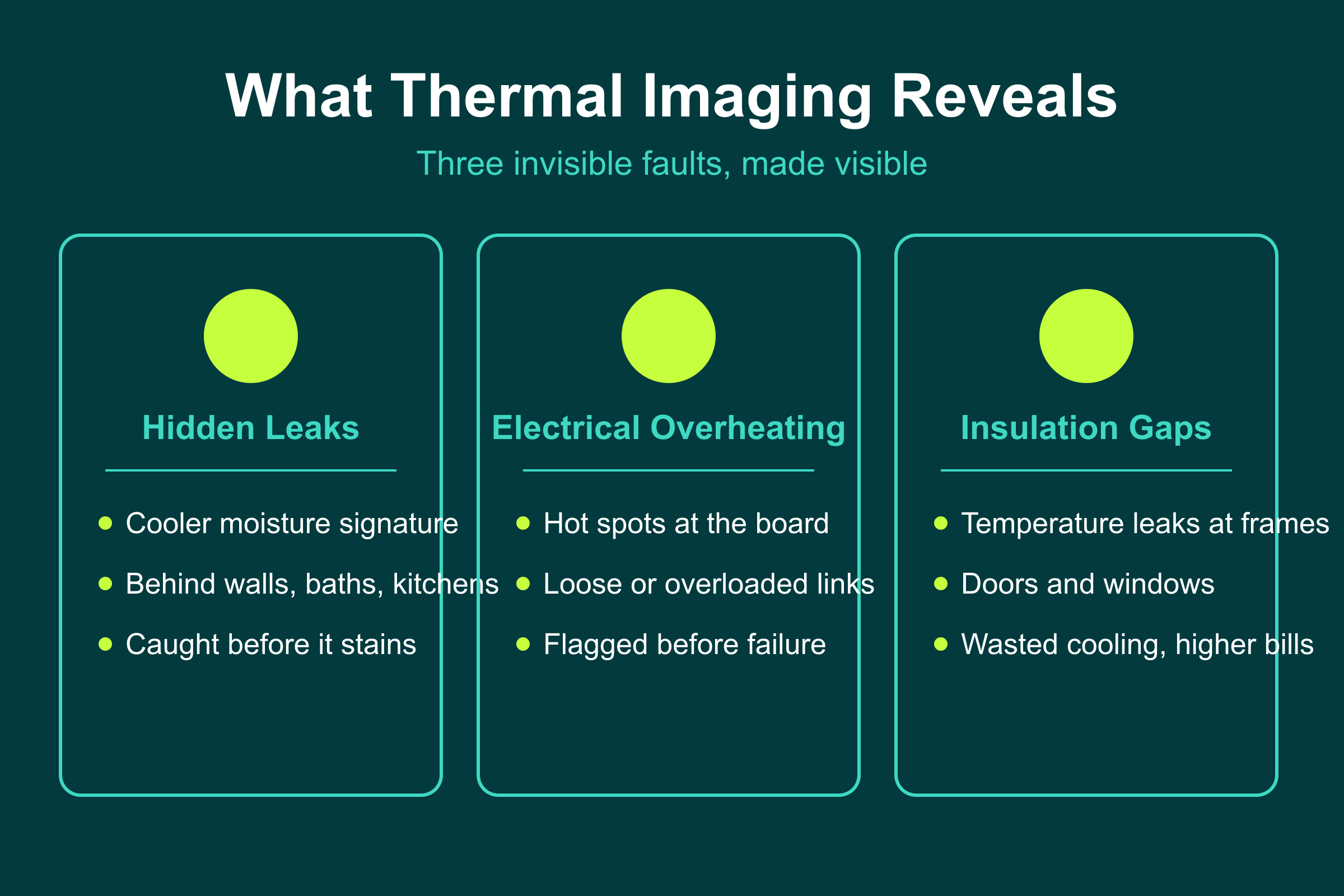
The most valuable use of a thermal camera in the UAE is detecting concealed moisture. Water that has tracked behind a wall or above a ceiling does not always produce a visible stain immediately. The camera reveals the cooler signature of moisture before the damage surfaces, allowing it to be addressed early.
This matters most in bathrooms, kitchens, external wall junctions, and the areas below windows, where water ingress is most likely. A thermal survey targets these high-risk zones specifically.
Overheating in the Electrical System
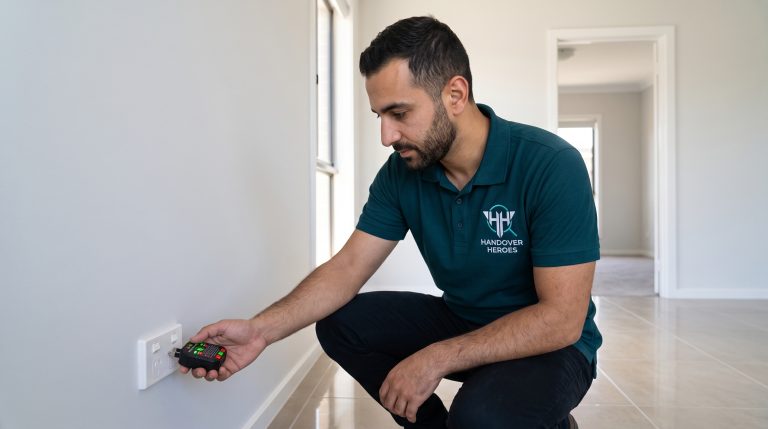
An electrical connection that is loose, overloaded, or failing generates heat. That heat is invisible until something trips or, worse, fails dangerously. A thermal camera scan of the electrical board reveals overheating connections as bright hot spots, flagging a hazard before it becomes a fire risk or an appliance-damaging fault.
Insulation Gaps in Doors and Windows
In UAE conditions, insulation matters enormously for cooling efficiency. A gap in the insulation around a door or window lets cooled air escape and hot air enter, driving up energy bills and straining the AC. The thermal camera shows these gaps clearly as temperature differences around frames and seals.
Why the Thermal Camera Is Not Enough on Its Own
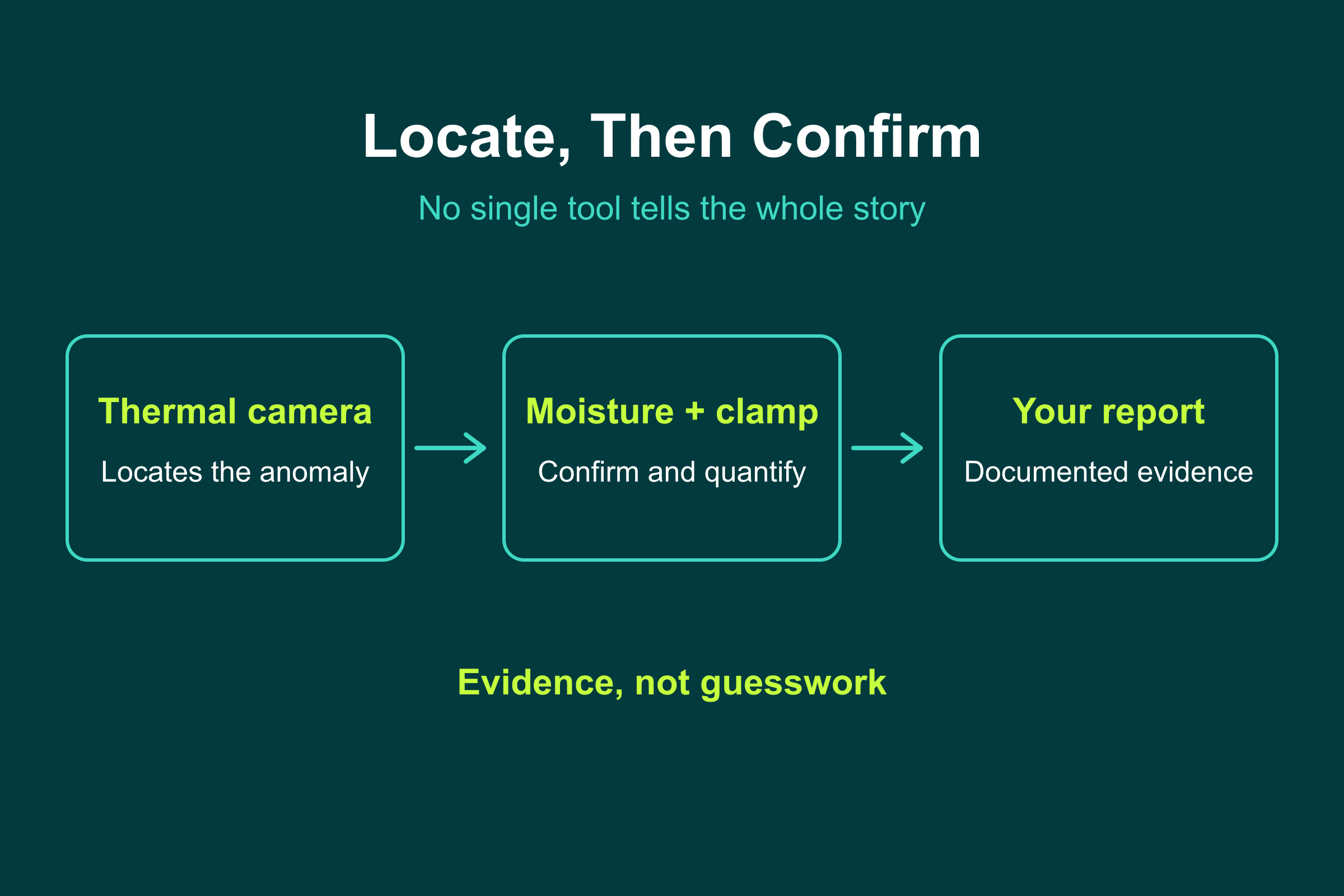
Thermal imaging is powerful, but it is one instrument among many. A reading that suggests moisture needs to be confirmed with a moisture meter, which measures the actual moisture content and classifies it as active or passive. A suspected electrical hot spot is cross-checked with a clamp meter that measures the current in the wires.
This is the principle behind engineering-led snagging: no single tool tells the whole story. The thermal camera locates the anomaly, and the other calibrated instruments confirm and quantify it. Together they produce evidence rather than guesswork. You can see the full kit in our guide to snagging tools and equipment.
What This Means for Buyers
Thermal imaging gives you something a visual inspection never can: a view beneath the surface. For a new build, this means catching the most common defects the developer must fix before you sign, an obligation set by the Real Estate Regulatory Agency (RERA). For a resale property, it means knowing the true condition of what you are buying before the transfer is registered with the Dubai Land Department, including the problems the seller may not even be aware of.
A professional snagging that includes a thermal camera, alongside the full kit of 14 calibrated tools across 500+ checkpoints, gives you a complete picture of the property’s real condition.
Frequently Asked Questions
Can thermal imaging see through walls?
Not exactly. A thermal camera reads surface temperature, not what is physically behind the wall. But because moisture, heat, and air leaks change the surface temperature, the camera reveals their presence and location without any need to open up the wall. It is a non-invasive way to find concealed problems.
Is thermal imaging accurate for finding leaks?
Thermal imaging is highly effective at locating the signature of moisture, which is then confirmed with a calibrated moisture meter. Used together, the two instruments give a reliable picture of where water is present and whether the issue is active or historical.
Does every snagging include thermal imaging?
A professional, engineering-led snagging includes thermal imaging as part of the leaks and moisture detection scope. It is one of the 14 calibrated tools used across the inspection, working alongside the moisture meter, hygrometer, and other calibrated instruments to build one complete, evidence-backed picture of the property.
When is thermal imaging most useful?
It is most useful for detecting concealed moisture, electrical overheating, and insulation gaps, all of which are invisible to the eye. In the UAE, where cooling efficiency and waterproofing are critical, these are exactly the issues that cost the most when missed.
Book Your Snagging
Get a full engineering-led snagging with thermal imaging and 13 other calibrated tools across 500+ checkpoints. Apartments from AED 500. Villas and townhouses from AED 1,400. Report within 24 hours.
Book your snagging on WhatsApp, estimate the price with our snagging cost calculator, or visit our pre-handover snagging service for details.
Handover Heroes is the UAE’s trusted property inspection service. We inspect every inch with calibrated tools so you do not sign for hidden surprises.